🦄 The OFFICIAL Lesbian Crew on the Scene!


🦄 The OFFICIAL Lesbian Crew on the Scene!



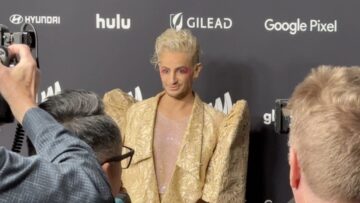

Paris Hilton 🌈 WeHo Pride
Paris Hilton backstage! WeHo Pride!

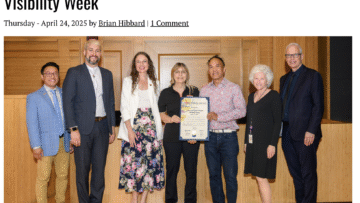
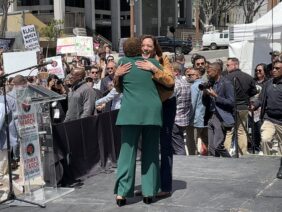
City Council Proclaims Lesbian and Queer Women Visibility Week
Renee Sotile, speaking for the LGBTQ+ Commission, recalled past events like the “Dykes and their Dogs” contest, proposing a modern t...
Featured


🙌🏽Repeat 🔂 🥳🙌🏽
This content isn't available right now
When this happens, it's usually because the owner only shared it with a small group of people, changed who can see it or it's been deleted.REPEAT!!!!! Karen Bass
This content isn't available right now
When this happens, it's usually because the owner only shared it with a small group of people, changed who can see it or it's been deleted.
WATCH: We LOVE MJ! ❤️ Michaela Jaé Rodriguez honored at AIDS Walk LA. West Hollywood Park #weho
#MichaelaJaéRodriguez #aidswalkla #lgbt

👻 We're proud to co-sponsor BOO!, a FREE sober Halloween extravaganza on Friday, October 23, from 8 PM to midnight at the West Hollywood Log Cabin!
Hosted by Kay Sedia, the night will feature a costume contest, food and refreshments, music by DJ Quinn, live performances, and plenty of Halloween fun. 🕸️ ✨Come connect, celebrate, and enjoy a welcoming, substance-free space for the recovery community!
Learn more at weho.org/news.

WATCH: Kristine W Dance diva Kristine W performed at the 25th annual WeHo Mishka Festival, which celebrated West Hollywood's Russian-speaking cultural heritage.

